 Find a Pain Clinic
 952-841-2345

Why the Intracept® Procedure Is Different from Traditional Back Surgery
Unlike traditional back surgeries that often involve complex structural modifications, the Intracept procedure for back pain provides a minimally invasive, targeted solution for a specific type of chronic low back pain.
When conservative treatments for chronic low back pain fail, the Intracept procedure for back pain offers a targeted, minimally invasive approach, differing significantly from traditional back surgeries.
KEY TAKEAWAYS
- Intracept is a minimally invasive alternative to traditional back surgery that targets the basivertebral nerve (BVN), a key source of vertebrogenic chronic low back pain, without changing the spine’s structure or using implants.
- Unlike spinal fusion or disc replacement, Intracept treats pain at its source by using radiofrequency ablation to interrupt pain signals from damaged vertebral endplates while preserving natural spinal anatomy and mobility.
- The procedure is designed for a specific group of patients: those with chronic low back pain lasting at least six months, have unsuccessfully tried conservative treatments, and have MRI-confirmed Modic changes indicating vertebrogenic pain.
- Recovery is typically much faster than traditional back surgery, with a small incision, outpatient treatment, minimal tissue disruption, and most patients returning to light activities within days or weeks.
- Clinical evidence supports long-term pain relief and improved function, making Intracept a promising option for appropriately diagnosed patients, though it is not intended for other causes of back pain such as herniated discs, sciatica, or spinal stenosis.
Table of Contents
- What is Intracept?
- Who can benefit from Intracept?
- How Intracept works
- The Intracept treatment process
- Benefits and effectiveness
- Risks and considerations
- Recovery and aftercare
- Is Intracept right for you?
What is the Intracept procedure?
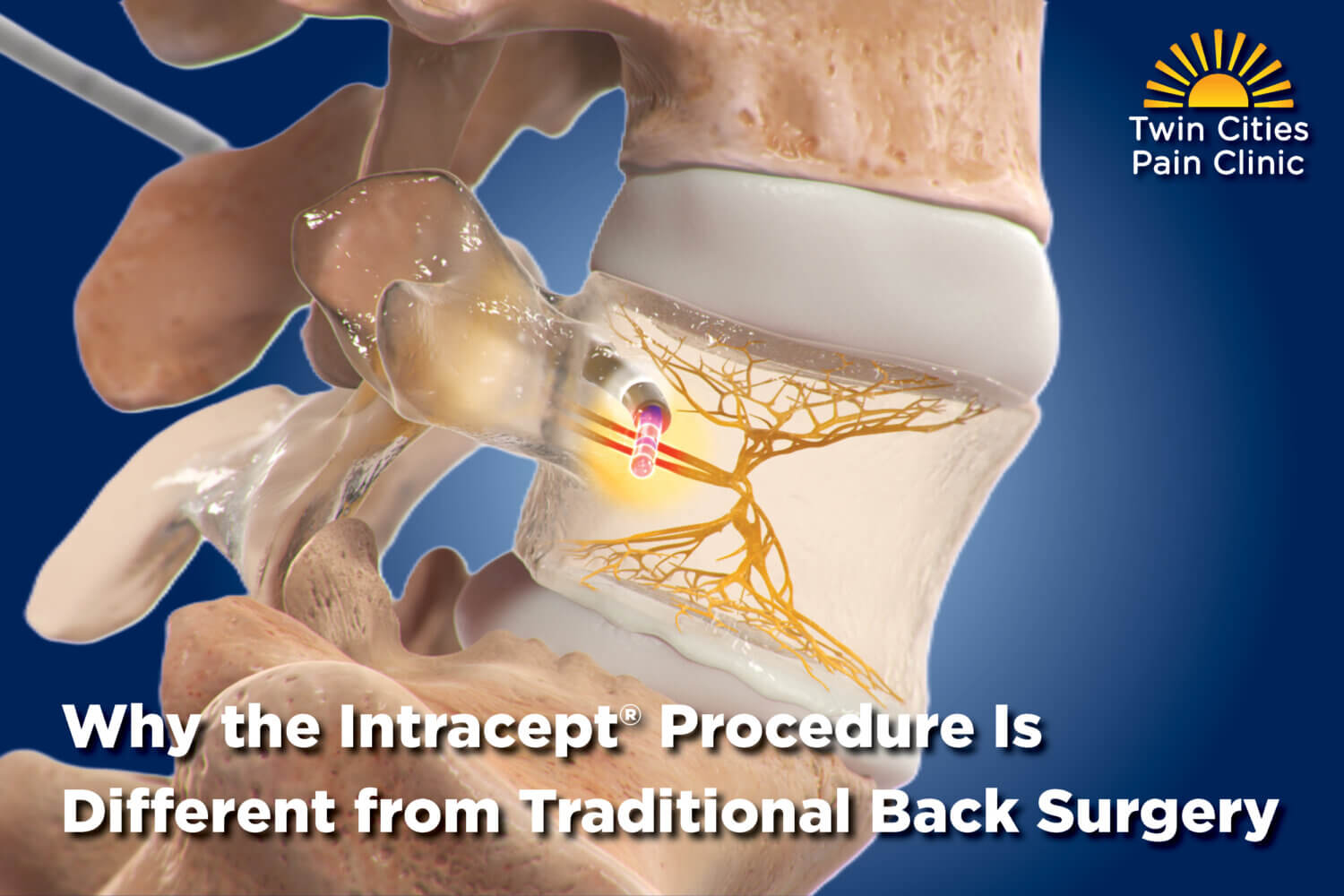
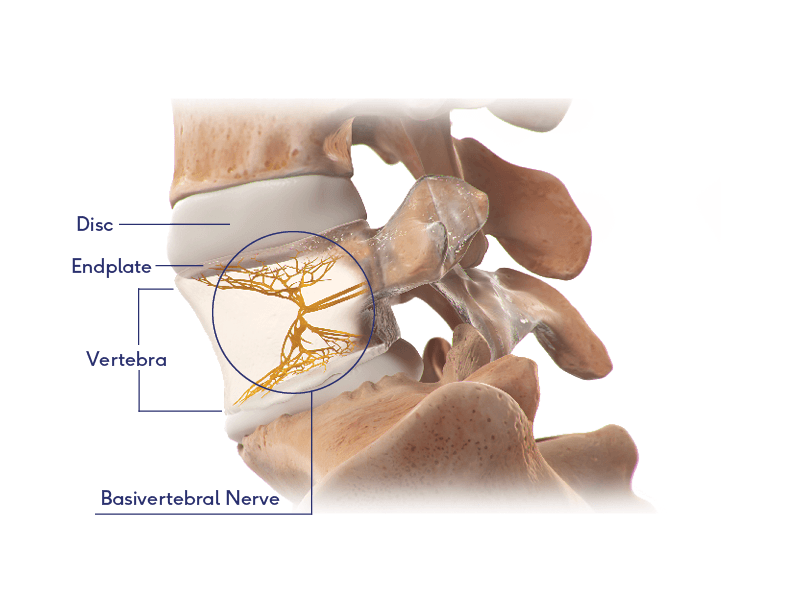
The Intracept procedure is a minimally invasive treatment for chronic vertebrogenic low back pain originating from damaged vertebral endplates (a thin layer of tissue between the vertebrae and the spinal discs). It targets the basivertebral nerve (BVN), which transmits pain signals.
Using a form of radiofrequency ablation, a physician delivers heat to the BVN, disrupting its ability to send pain signals. This approach provides relief from lower back pain without altering spinal structure, unlike spinal fusion or disc replacement.
Who can benefit from Intracept?
You may be a candidate for Intracept if you have:
- Chronic low back pain that has persisted for at least six months.
- Pain that has not responded adequately to conservative treatments.
- MRI showing Modic changes (Type 1 or 2) in vertebral endplates, indicating vertebrogenic pain.
A specialist’s evaluation can confirm vertebrogenic pain and suitability for the Intracept procedure.
How the Intracept procedure works: targeting the source of pain
The Intracept procedure targets the specific mechanism of vertebrogenic pain, the basivertebral nerve.
The role of the basivertebral nerve (BVN)
Each vertebrae bone contains a nerve network, primarily the basivertebral nerve (BVN). The BVN branches to the vertebral endplates. When endplates are damaged by stress, degeneration, or injury, they become inflamed.
This sensitizes the BVN nerve endings, causing persistent pain signals to the brain. This is the root cause of vertebrogenic pain, often felt as deep, aching lower back pain.
Radiofrequency ablation explained
Intracept uses radiofrequency (RF) ablation to stop pain signals. RF ablation uses heat from an electrical current to create a precise lesion on nerve tissue. A probe is guided into the vertebral body, directly to the basivertebral nerve trunk.
The probe delivers controlled RF energy, heating the nerve tissue. This desensitizes the nerve, disrupting its ability to transmit pain signals. Targeting the base of the BVN can quiet pain signals from the entire vertebra with a single treatment.
The Intracept treatment process
The Intracept procedure is a streamlined process for relief from chronic lower back pain.
Before the procedure
Your treatment journey begins with a comprehensive diagnostic evaluation, including a review of your medical history, a physical exam, and an MRI. Your provider will look for Modic changes on the MRI to confirm that your pain is vertebrogenic.
Once you are confirmed as a candidate, your care team will provide pre-procedure instructions, such as temporarily stopping certain medications and fasting.
During the procedure
The procedure is performed in an outpatient center or hospital. To ensure your comfort, you will receive either conscious sedation or general anesthesia. You will be positioned face down, and a small incision (less than one centimeter) will be made.
Using real-time X-ray imaging (fluoroscopy), a specialized instrument called a cannula is guided into the vertebral body. The Intracept probe is then advanced through the cannula to the base of the basivertebral nerve. Radiofrequency (RF) energy is delivered for approximately 15 minutes to each targeted vertebra.

Immediately after the procedure
After the probe is removed, a small bandage is placed over the incision. You will spend an hour or so in recovery as the anesthesia wears off. Mild soreness at the incision site is common, but can be managed with ice and over-the-counter pain relievers. Patients go home the same day.
Benefits and effectiveness
The Intracept procedure provides significant, lasting comfort and improved function. It is a targeted, minimally invasive treatment that preserves spinal structure.
Key advantages over traditional surgery
Compared to traditional back surgeries like spinal fusion, the Intracept procedure offers several key benefits:
- Minimally invasive: A small incision means less blood loss, minimal scarring, and a reduced risk of infection.
- Structure preservation: The procedure does not require bone or disc removal and uses no implants. Your spinal anatomy remains intact, preserving your natural range of motion.
- Faster recovery: With less disruption to muscle and tissue, recovery is faster than traditional surgery. Most patients return to normal activities within weeks.
Expected outcomes and pain relief
Clinical evidence shows that the Intracept® Procedure is an effective treatment for vertebrogenic pain.
Studies by the National Institutes of Health (NIH) have shown long-term positive results, with patients reporting sustained pain relief and improved function for three months or more after the procedure.
And, according to research by the Cleveland Clinic, nearly 1 in 4 patients saw 100% pain relief six months after the procedure. This lasting effect makes it a notable alternative to temporary treatments like nerve blocks.
Risks and considerations
It’s important to understand the potential risks and determine if the Intracept procedure is appropriate for your specific condition.
Potential risks and complications
The Intracept procedure has a strong safety profile, and serious complications are rare. However, some patients may experience mild, temporary side effects, including:
- Soreness or bruising at the incision site.
- Temporary increased back pain, resolving in days.
Uncommon but serious complications include infection, bleeding, or nerve injury. Your physician will discuss all risks to help you make an informed decision.
Important considerations
Intracept is not a universal cure. Its effectiveness is specific to vertebrogenic pain from the basivertebral nerve. It is not for pain from:
- Disc herniation
- Sciatica
- Spinal stenosis
- Spondylolisthesis
- Sacroiliac (SI) joint dysfunction
A precise diagnosis is crucial. If your pain stems from other conditions, your physician will recommend a different treatment.
Recovery and aftercare
Recovery from Intracept is a gradual process focused on healing and returning to functional goals.
Immediate post-procedure care
Limit strenuous activities for a few days post-procedure. Manage soreness with ice packs and OTC pain medication as directed. Keep the small incision site clean and dry to prevent infection. Most patients resume light activities and desk work within a day or two.
Long-term recovery and follow-up
Over weeks, you’ll gradually return to your routine. Your physician may recommend physical therapy to strengthen core/back muscles, improve flexibility, and optimize spinal health. These exercises support procedure benefits and functional goals. Follow-up appointments monitor progress.
When to seek care after the procedure
While recovery is typically straightforward, contact your doctor or seek medical attention for any of the following complication signs:
- Fever or chills
- Redness, swelling, or discharge from the incision site
- Severe or worsening pain that is not controlled by medication
- New or worsening weakness, numbness, or tingling in your legs
- Loss of bowel or bladder control
Is the Intracept procedure right for you?
Making decisions about your health is a collaborative process. If you have chronic low back pain and have not found relief with other treatments, you should discuss the Intracept procedure with your provider.
Consulting with a specialist
Scheduling a consultation with a specialist experienced in diagnosing and treating vertebrogenic pain is the first step. At Twin Cities Pain Clinic, our specialists will discuss your symptoms, treatment history, and recovery goals.
A thorough diagnostic workup will help determine the precise cause of your pain, empowering you to make an informed decision about your care.
Making an informed decision
Understanding the benefits and limitations of the Intracept procedure for back pain is key to deciding with your physician if it is the right option for you.
Consider how the Intracept procedure aligns with your lifestyle and functional goals. A clear diagnosis and collaborative treatment plan empower you to move forward with confidence.
FAQs
The Intracept Procedure is a minimally invasive treatment designed for vertebrogenic low back pain caused by damaged vertebral endplates. It uses radiofrequency ablation to target the basivertebral nerve (BVN), interrupting pain signals before they reach the brain. Unlike traditional spine surgery, it addresses the source of pain without removing bone, replacing discs, or implanting hardware.
Spinal fusion surgery permanently joins vertebrae together and may require implants, extensive recovery, and structural changes to the spine. In contrast, the Intracept Procedure preserves the spine’s natural anatomy by treating the basivertebral nerve through a small incision. Patients typically experience less downtime, lower surgical risk, and a faster return to daily activities.
You may be a candidate if you have chronic low back pain that has persisted for six months or longer, have not achieved adequate relief from conservative treatments, and have MRI-confirmed Modic Type 1 or Type 2 changes. A pain management specialist can determine whether your symptoms are caused by vertebrogenic pain and whether Intracept is appropriate for your condition.
Recovery is generally much quicker than after traditional back surgery. Most patients return home the same day and can resume light activities or desk work within a few days. While individual recovery times vary, many people return to their normal routines within weeks, with continued improvement in pain and function over time.
No. The Intracept Procedure is specifically designed to treat vertebrogenic pain originating from the basivertebral nerve. It is not intended for pain caused by conditions such as herniated discs, sciatica, spinal stenosis, sacroiliac joint dysfunction, or spondylolisthesis. An accurate diagnosis is essential to determine the most effective treatment option.
Clinical studies have shown that many patients experience significant and sustained pain relief after treatment. Research indicates long-term improvements in pain and function, with some patients achieving complete pain relief six months after the procedure.
Learn more about the Intracept procedure for back pain at Twin Cities Pain Clinic
If vertebrogenic pain is keeping you from the activities you enjoy, the Intracept Procedure may be an effective treatment option. Our pain management specialists can determine the cause of your pain and provide a plan of care to help you achieve your goals.
At Twin Cities Pain Clinic, we are committed to helping you find lasting relief. Contact us today to learn more about the Intracept Procedure and discover how our expert team can support you on your journey to a more active, pain-free life.
Call us at (952) 841-2345 or use our online appointment request form.
Author Bio


