 Find a Pain Clinic
 952-841-2345

How Long Does Pain Relief Last After Radiofrequency Ablation?
For people living with chronic spine or joint pain, one of the most common questions before choosing a treatment is: “How long will the relief actually last after the procedure?” Radiofrequency ablation (RFA) is known for delivering longer-term improvement than many other nonsurgical therapies, and for many patients, the results can be life-changing.
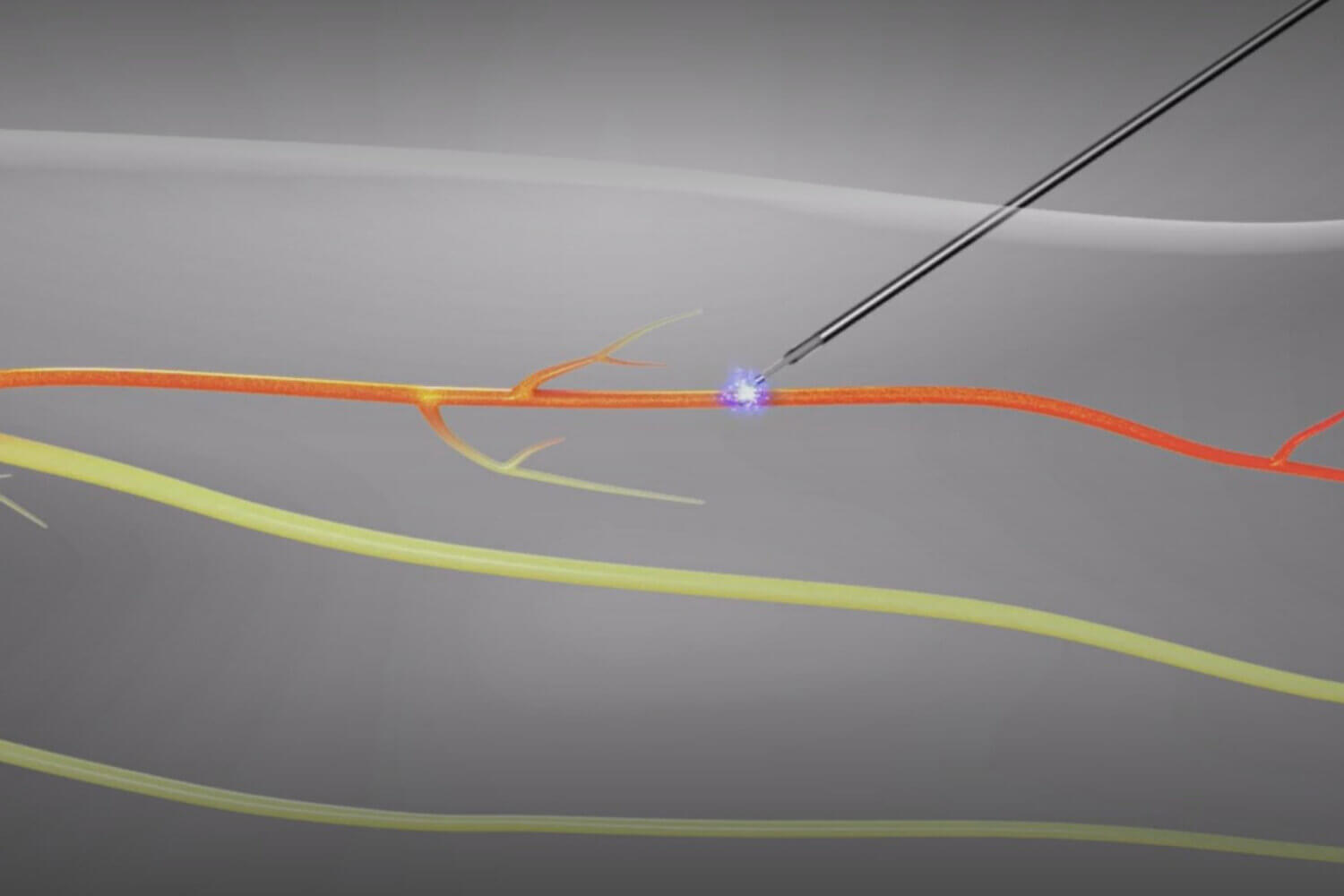
RFA works by using controlled heat to interrupt pain-transmitting nerves, providing long-lasting relief in patients whose pain persists despite conservative care. The resulting relief can be sustained for months or even years. Read on to learn how.
KEY TAKEAWAYS
- Relief typically lasts 6–24 months – Most patients experience significant pain reduction for several months to up to two years.
- Pain relief is not permanent – Pain may return over time as treated nerves regenerate.
- Full results take time – It may take several weeks (up to 4–6) to feel the maximum benefit after the procedure.
- Temporary post-procedure discomfort is normal – Mild soreness or increased pain can occur for a few days before improvement begins.
- Repeatable and longer-lasting than injections – RFA can be repeated if needed and generally provides longer relief than steroid injections by targeting nerve signals.
Table of Contents
- How radiofrequency ablation works
- How long relief lasts
- Why relief duration varies
- When the pain returns
- Lifestyle choices to prolong relief
- Are you a candidate for RFA?
What radiofrequency ablation does — and why relief lasts so long
Radiofrequency ablation targets the specific nerves responsible for sending pain signals. The heat destroys the nerve endings, disrupting their function and preventing them from transmitting pain to the brain. Though these nerves endings grow back, they do so slowly, allowing patients to enjoy an extended period of relief as the nerve regenerates.
This makes RFA different from injections, which typically provide short-term inflammation relief.
How long pain relief typically lasts after a radiofrequency ablation
The duration of pain relief after a radiofrequency ablation procedure depends on the patient. Everyone has different physiology and the level of response can vary widely. But there are a few common outcomes that you can likely expect:
- The average duration of relief is between 6 and 12 months
- In some cases, patients may experience benefit for 12–24 months
- Others are fast healers and may experience 3–6 months of relief
Whatever the result, patients can enjoy a significant improvement in function and overall quality of life during this time. As an added bit of good news, radiofrequency ablation can be safely repeated once symptoms return, making it a viable solution for ongoing relief.
Why the duration or pain relief can vary
There are several factors that influence the duration of pain relief after a radiofrequency ablation procedure. Some are beyond individual control, while others can be impacted by the patient’s choices and behavior.
- The type and location of treated nerves – Different nerves tend to regenerate at different speeds. For example, facet nerves in the neck often demonstrate different healing patterns than nerves in the lower back.
- Individual regeneration rates – Every individual is unique, as is their healing response to nerve ablation. Factors such as age, metabolic rate, and the body’s natural healing ability can all play a role. If you are a rapid healer, you may experience a shortened period of relief
- Severity and cause of pain – If the injury or condition that caused the pain is significant and the pain severe, relief can feel less complete and last for a shorter period. Additionally, duration of relief may fade over time in cases of progressive conditions, such as osteoarthritis.
- Post-procedure behavior – You will be given an at-home care plan after your procedure to help with recovery and optimize pain relief. This plan may include physical therapy, instructions for proper posture, mild exercises, and limitations on certain movements. Failure to strictly adhere to this plan can lead to earlier recurrence of pain symptoms.
What happens when pain returns?
Pain returning does not mean the treatment failed—it simply means the nerve has regenerated. Nerve regrowth is a natural and healthy function of the body, but the pain often regrows with the nerve. Luckily, RFA can still be an effective solution for long-term relief.
- RFA can be repeated safely
- Repeat treatments often last as long or longer
- Many patients regain the same level of pain relief
How to prolong your relief
While the RFA procedure has an impressive success rate all on its own, there are lifestyle consderations that can help improve and extend your relief.
- Follow a targeted physical therapy program
- Practice healthy posture and movement habits
- Stay active with low-impact exercise
- Manage inflammation and muscle tension
- Follow provider instructions during recovery
When to consider radiofrequency ablation
You may be a strong candidate for RFA if:
- You have chronic back, neck, or joint pain
- Nerve blocks provided temporary relief
- Steroid injections wear off quickly
- You want a minimally invasive, nonsurgical option
If chronic pain is affecting your daily life, RFA may be the next step toward long-lasting relief.
FAQs
Radiofrequency ablation is typically recommended for people with chronic neck, back, or joint pain who have not found lasting relief from physical therapy, medications, or injections. Patients usually undergo diagnostic nerve blocks first to confirm the procedure will be effective.
Several factors can influence the duration of relief, including the area treated, severity of the condition, overall health, and how quickly nerves regenerate. Individual responses vary, which is why some patients experience longer-lasting results than others.
RFA works by using targeted heat to disrupt specific nerves responsible for sending pain signals to the brain. By interrupting these signals, the brain no longer receives the same level of pain input from the affected area.
RFA works by using targeted heat to disrupt specific nerves responsible for sending pain signals to the brain. By interrupting these signals, the brain no longer receives the same level of pain input from the affected area.
Extended pain relief can help patients stay active, improve mobility, and reduce reliance on pain medications. This can also support better long-term outcomes by allowing time for physical therapy, strengthening, and lifestyle improvements.
Final thoughts
Radiofrequency ablation is one of the most effective minimally invasive treatments for long-term relief of chronic back, neck, and joint pain. Many patients enjoy 6–12 months of reduced pain—sometimes even longer—before nerves naturally regenerate.
If chronic pain is keeping you from living the life you want, your care team can help determine whether RFA is the right next step.
The contents of this article are intended for informational and educational purposes only and are not intended as a substitute for professional medical advice, diagnosis or treatment. Always consult with a physician or other qualified healthcare provider before engaging in any action or decision-making based on the content of this article. Never disregard or delay seeking professional medical advice or treatment because of the content of this article or any other content on the Twin Cities Pain Clinic website. Reliance on any information conveyed on the Twin Cities Pain Clinic website without direct consultation with a healthcare professional is solely at your own risk.
Author Bio


