 Find a Pain Clinic
 952-841-2345

 952-841-2345
How Sun Exposure Impacts Chronic Pain
We sure love summer here in the upper Midwest. Considering how much time we spend each year in our homes avoiding the freezing cold, few people appreciate the sun and warmth like we do, and we tend to make the most of these few blissful months.

But for those living with chronic pain, getting out and enjoying the sun often requires a bit more thought and planning. It turns out, exposure to those UV rays can have a variety of consequences, some good, others less so.
Join us as we explore how sunlight can both help and hinder the pain journey.
KEY TAKEAWAYS:
- How does the sun help with chronic pain? Responsible exposure to sunlight introduces several benefits that can help manage chronic pain, including enhanced Vitamin D production, improved emotional wellbeing, promoting better sleep, and encouraging physical activity.
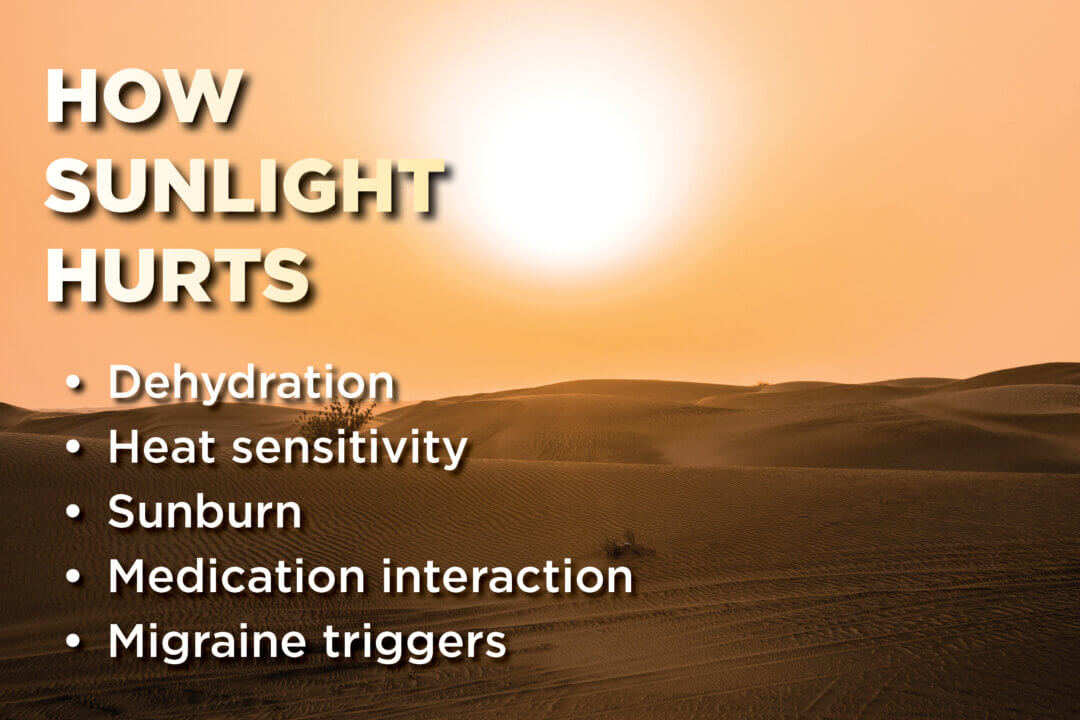
- How does the sun make chronic pain worse? There are a few ways that irresponsible exposure to sunlight can make chronic pain worse, including dehydration, heat sensitivity flareups, sunburn, interactions with pain medications, and the triggering of migraines.
- How can you safely enjoy the benefits of sunlight? Making good choices can help you enjoy the benefits of sunlight without risking chronic pain issues, including staying smart about time spent in the sun, protecting your skin, staying hydrated, and consulting your physician if you are taking prescription medications or have any other concerns.
The sunny side: How sunlight can help with chronic pain
Sunlight, in moderation, offers several benefits that can have a positive impact on chronic pain and overall health:
Vitamin D production
This is perhaps the most well-known benefit. When your skin is exposed to sunlight, it produces Vitamin D, an essential nutrient with a wide range of functions. When UV light from the sun penetrates your skin, it begins a fascinating but complex chemical reaction in the body that ultimately produces Vitamin D.
Research suggests that Vitamin D plays a significant role in bone health, immune function, and reducing inflammation. On the other hand, deficiencies in Vitamin D have been linked to various pain conditions, including chronic musculoskeletal pain, fibromyalgia, and neuropathic pain. Getting plenty of Vitamin D can help your body manage pain more effectively.
Mood enhancement & reduced depression
Sunlight exposure triggers the release of serotonin, a neurotransmitter and hormone that boosts mood and promotes feelings of well-being. Specifically, when sunlight enters your eyes, it stimulates a part of the retina that signals the brain to start pumping out serotonin.
Chronic pain often goes hand-in-hand with depression and anxiety, which can amplify pain perception. This means sunlight can act as a natural pain moderator, improving mood and helping break the cycle of pain and low spirits.
A friendly reminder to never look directly at the sun. Simply being outside with your eyes open on a sunny day is enough. If your eyes can handle it, refrain from wearing sunglasses for a while, as they can limit the amount of sunlight that enters the retina, reducing the benefit.
Improved sleep quality
Sunlight helps regulate your circadian rhythm, your body’s natural sleep-wake cycle. Exposure to natural light during the day, especially in the morning, helps keep your body in rhythm with the 24-hour day-night cycle. Keeping your body’s clock in sync with the actual clock can improve the quality of your nighttime sleep.
Better sleep is critical for chronic pain management. Sleep, especially deep sleep, is when the body goes into healing mode. Muscle and tissue are repaired, immune function is boosted to fight infection and inflammation, and stress hormones are lowered. If these functions are disturbed due to poor quality sleep, the body may experience increased sensitivity to pain. This can exacerbate symptoms and reduce the effectiveness of treatments.
Increased physical activity
Warm, sunny weather naturally encourages more outdoor activity. Gentle exercise, like walking or swimming, can be incredibly beneficial for chronic pain conditions by strengthening muscles, improving flexibility, and releasing natural endorphins (your body’s own painkillers and mood boosters).

The shady side: How sunlight can make chronic pain worse
It’s true, you can have too much of a good thing. Despite all the benefits of sunlight, excess exposure can sometimes exacerbate chronic pain for certain individuals for a variety of reasons:
Dehydration
Spending extended time in the sun, especially during warmer months, can lead to dehydration if fluid intake isn’t sufficient. Dehydration can worsen muscle cramps, headaches, and general fatigue. Dehydration from sun exposure can also decrease natural lubrication between joints, which can amplify joint pain.
Heat sensitivity
Some chronic pain conditions, particularly certain types of neuropathy or inflammatory conditions, can be sensitive to heat. Increased body temperature from sun exposure might trigger flare-ups or intensify existing pain.
Sunburn
By definition, a sunburn is an inflammatory response. The pain and inflammation from a sunburn can potentially exacerbate existing pain symptoms, particularly joint pain, depending on the location and severity of the burn.
Medication interactions
Certain pain medications or other prescriptions can increase your skin’s sensitivity to the sun, making you more prone to sunburn or other skin reactions. Always check your medication labels and consult your physician about sun exposure if you are taking pain medications.
Migraine triggers
For some individuals, bright sunlight or glare can be a significant migraine trigger. The intensity of summer sun may increase the frequency or severity of headaches.
Prepare for a brighter future
Let there be no doubt, getting out and actively enjoying the sunny weather is very beneficial to those with chronic pain, and you should do it as much as you safely and reasonably can. Here are a few tips for enjoying the summer while managing your pain:
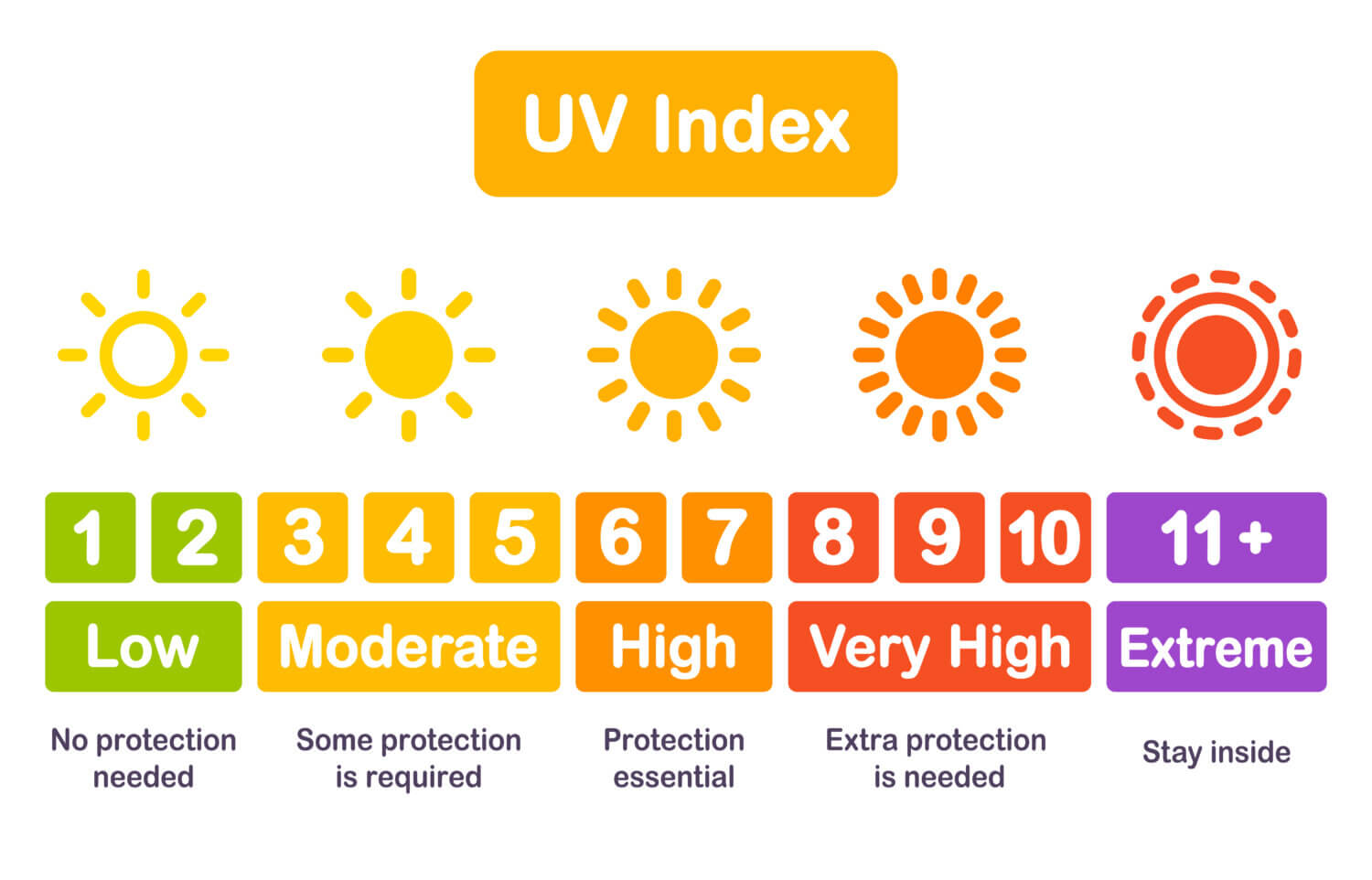
- Smart sun exposure: Aim for 10-30 minutes of direct sunlight exposure several times a week during times of low UV index (index between 1 or 2). This will allow you to safely enjoy the sun without sunscreen, maximizing Vitamin D synthesis.
- Protect your skin: When enjoying the sun for prolonged periods or during times of more intense sun, use broad-spectrum sunscreen (at least SPF 30), wear wide-brimmed hats, and seek shade when you can. Pay attention to the UV index. The higher the number, the faster exposed skin will burn.
- Stay hydrated: Drink plenty of water throughout the day, especially when spending time outdoors. Seek convenient and comfortable means to carry water with you, such as bladder backpacks or exercise belts with bottle holders.
- Consult your physician: Discuss any concerns about sun sensitivity or medication interactions with your pain specialist to make sure you can enjoy summer safely.
Conclusion
Understanding how sunlight interacts with your body and your pain condition is another step toward effective pain management. As long as you take a considered approach and follow some basic guidelines, you can enjoy all the glories of summer without worrying about pain.
The contents of this article are intended for informational and educational purposes only and are not intended as a substitute for professional medical advice, diagnosis or treatment. Always consult with a physician or other qualified healthcare provider before engaging in any action or decision-making based on the content of this article. Never disregard or delay seeking professional medical advice or treatment because of the content of this article or any other content on the Twin Cities Pain Clinic website. Reliance on any information conveyed on the Twin Cities Pain Clinic website without direct consultation with a healthcare professional is solely at your own risk.
Author Bio


