 Find a Pain Clinic
 952-841-2345

Migraine Headaches: Symptoms, Causes & Treatments
Migraines are more than just bad headaches—they’re complex neurological events that can cause intense pain and a range of other debilitating symptoms. For many people, migraines disrupt daily life with throbbing head pain, sensitivity to light or sound, nausea, and fatigue. In this blog, we’ll take a closer look at what migraines are, common triggers and causes, and the most effective strategies for prevention and management to help you regain control and find lasting relief.
KEY TAKEAWAYS
- Migraines are a distinct type of headache — typically intense, throbbing, often on one side of the head, and can last hours to days. Unlike common tension, sinus, or cluster headaches, migraines often come with additional debilitating symptoms like nausea, vomiting, visual disturbances, and extreme sensitivity to light and sound.
- Warning signs (prodromal phase) such as mood changes, odd smells/tastes, fatigue, and muscle tension may precede a migraine in about one in four sufferers. Common triggers include flashing or flickering lights; stress and anxiety; irregular sleep or meal habits; dehydration; hormonal fluctuations (especially in women); and dietary agents like nitrates and tyramine.
- The exact cause of migraines is not fully understood, but neurological, vascular, and chemical factors in the brain are thought to be involved. Risk factors include genetics (family history), certain medical conditions (e.g., epilepsy, depression, asthma), gender (women are ~3× more likely), and age (most common between 20-60 years).
- Though there’s no permanent cure, migraines can be managed/prevented through lifestyle adjustments: resting in a dark quiet room, using ice or heat, regular meals and hydration, moderate caffeine use, regular exercise, and stress control.
- Over-the-counter medications and clinical treatments (such as medication management or nerve blocks) are available, but any unusually severe or prolonged headaches—especially with paralysis, confusion, fever, or stiff neck—require urgent medical care.
Table of Contents
- What is a migraine headache?
- What is the difference between a migraine and a regular headache?
- What are symptoms of a migraine headache?
- What are the warning signs of a migraine?
- What causes migraines?
- Why do I get migraines?
- How can I treat a migraine?
What is a migraine headache?
A migraine is a headache with intense throbbing pain that is usually worse on one side of the head. The pain is often severe enough to hamper daily activities and may last hours or even days if untreated. The pain can be so severe that it may cause additional unpleasant side effects that make you feel even sicker. More than one in 10 Americans (including one in six women) experience migraines to some extent.
What is the difference between a migraine and a regular headache?
We have all had headaches at one time or another and are pretty familiar with what they feel like. And migraines are just especially bad headaches, right? As it turns out, that’s not quite the case.
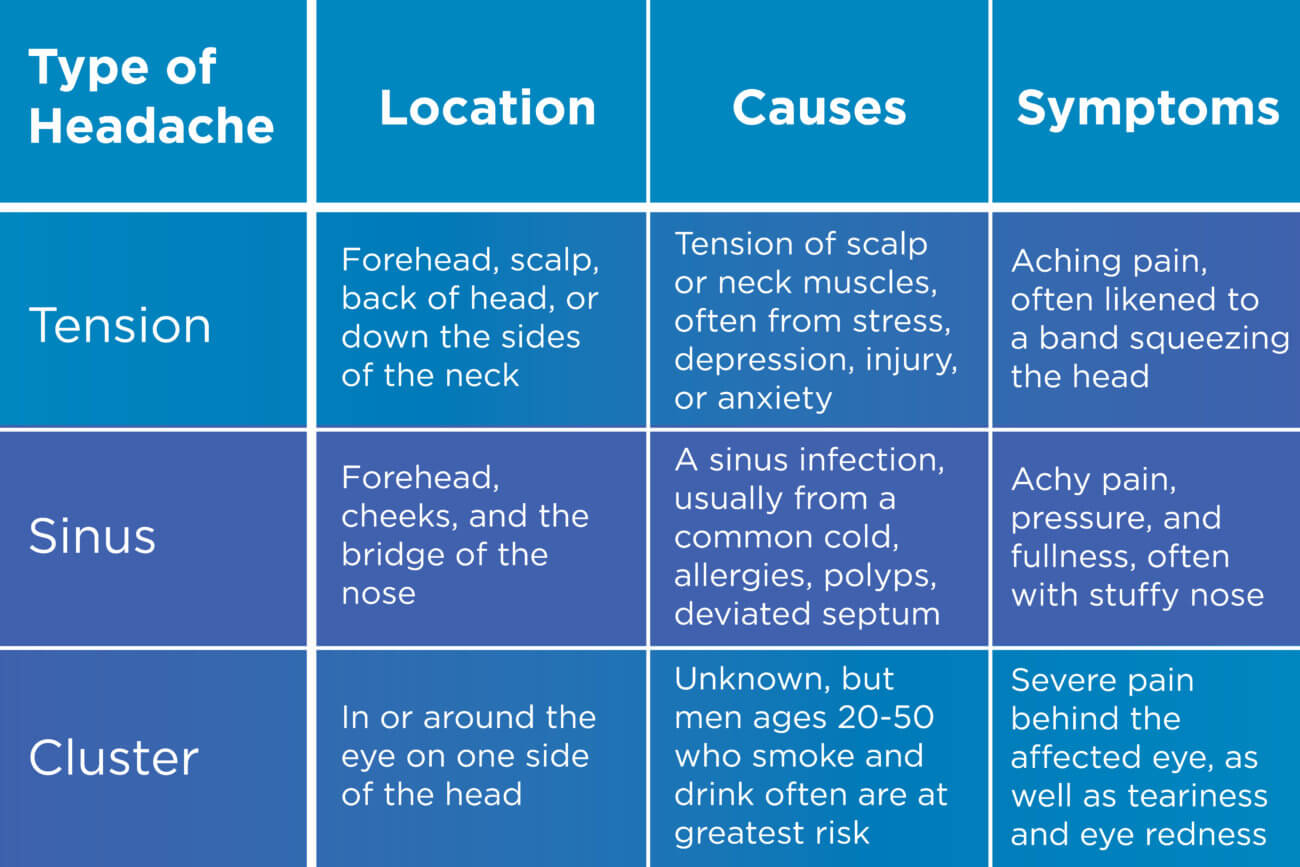
Regular headaches are painful and annoying, but are generally tolerable and usually don’t include additional symptoms. Most headaches are brief and go away on their own with rest, hydration, and some basic self-care. Regular headaches fall into three basic categories – cluster headaches, sinus headaches, and tension headaches. Before we move on to migraines, here is a quick overview of these three other types of headaches
Tension headache
This is a very common type of headache. Odds are, you’ve probably had one of these headaches in the last year. You will feel a steady pain, usually in the back of the head and along the sides of the neck. Tension headaches will usually go away on their own. Stay hydrated and get good rest to help speed up recovery and take over-the-counter medications like Advil or Tylenol to manage the pain in the meantime.
Sinus headache
If your sinuses become inflamed, usually as a result of of an allergic reaction or an infection, they swell up and produce more mucus. This can cause them to become blocked, allowing pressure to build up. This increased pressure often feels like a headache and usually impacts your cheekbones, forehead, or the bridge of your nose. This pain can also be accompanied by a runny nose, ear pressure, a fever, and swelling of the face.
Cluster headache
The cluster headache is more of a variant of a headache than a completely different type. They’re not nearly as common as other headaches and are usually found in men who smoke or drink heavily. They are called cluster headaches because, after the first one starts, they keep coming back for weeks and even months. Most of the attacks don’t last more than a few hours and are associated with severe pain in one eye which may water and become inflamed. The nose is also usually stuffy as well. During a cluster, each headache tends to strike at the same time of day as the last. More often than not, these headaches occur during nighttime hours.
How is a migraine different from regular headaches?
As most people who have experienced migraines will probably tell you, you will know it when you feel it. The pain from a migraine is usually significantly more severe than other headaches, to the point of being totally debilitating. The pain can be so bad, in fact, that it can trigger many additional, equally discomforting symptoms.
What are symptoms of a migraine headache?
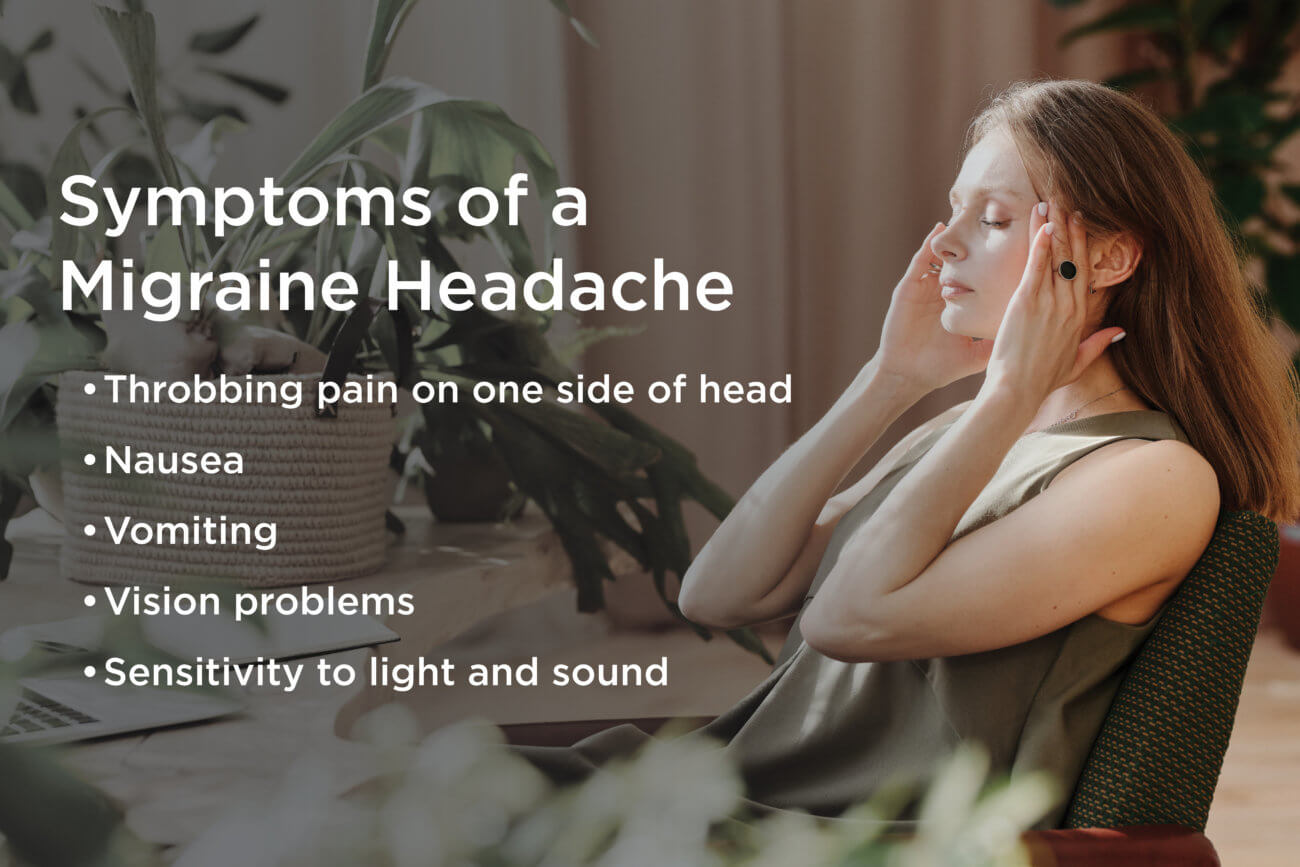
The most consistent and prominent symptom of a migraine is an intense, throbbing pain that typically occurs on one side of the head near the temples, forehead, and eyes. Many people also experience:
- Nausea
- Vomiting
- Vision problems
- Sensitivity to light and sound
- Tingling sensation
Symptoms can grow more severe with even mild exertion, such as climbing the stairs. Migraine pain can be utterly disabling, to the point that many people are forced to miss work or other daily activities.
What are the warning signs of a migraine?
There are several possible warning signs that signal a migraine may be coming:
- Change in mood – migraine sufferers can become more excitable, irritable or depressed
- Noticing unusual sensations, such as a funny smell or taste
- Fatigue and frequent yawning
- Muscle tension.
These warning signs are known as the “prodromal phase.” Approximately one in four people experience these warning signs, which can occur as early as 24 hours before the headache begins.
What causes migraines?
The exact cause of migraines is still not well understood, but the problem is thought to be neurological (related to the nervous system). It is believed that brain chemicals, blood vessels, and nerves within the brain are involved. While migraines can start all on their own, there are some common triggers that can set them off as well.
Common migraine triggers
Flashing lights
Flashing or flickering lights are a common migraine trigger. This could be a reflection from snow or water, or from fluorescent bulbs, television or movie screens. Wearing polarizing sunglasses outside and using daylight spectrum fluorescent bulbs inside may help.
Anxiety and stress
While it’s impossible to completely avoid stress, relaxation exercises can help patents cope. Inhale and exhale slowly, letting air fill your lungs and then deflate like a balloon. Some people find that thinking of a peaceful scene or listening to calming music can help.
Lack of food or sleep
It’s important for people prone to migraines to have a regular pattern of meals and sleep. Low blood sugar from skipping meals can trigger a migraine. Eating too much sugar also can cause a spike, then a “crash” in blood sugar. Drink water throughout the day to avoid dehydration and sleep at least six to eight hours a night.
Hormonal changes
For many women, migraines are tied to their menstrual cycle, occurring either a few days before or during their period, when estrogen levels drop. Some women may benefit from anti-inflammatory medication before their headaches begin, or hormonal birth control such as pills, patches, or rings.
Headache foods
Migraine sufferers often report that certain foods trigger their headaches. Specific chemicals in some foods cause blood vessels to swell, which can set off a migraine. Nitrates found in processed foods like hot dogs and bacon are just such a chemical. Tyramine, an amino acid found in fermented or stored items such as red wine, aged cheese, smoked fish, and some beans, is another common culprit. Make a point to avoid these foods and drinks if you suffer from migraines.
Tracking personal triggers
The best way for people to find out what triggers their own migraines is to keep a headache diary. When a migraine occurs, patients are encouraged to make a note about the warning signs (the “prodromal phase”), triggers and severity. If people can discover their own personal triggers, they may be able to avoid future headaches.

Why do I get migraines?
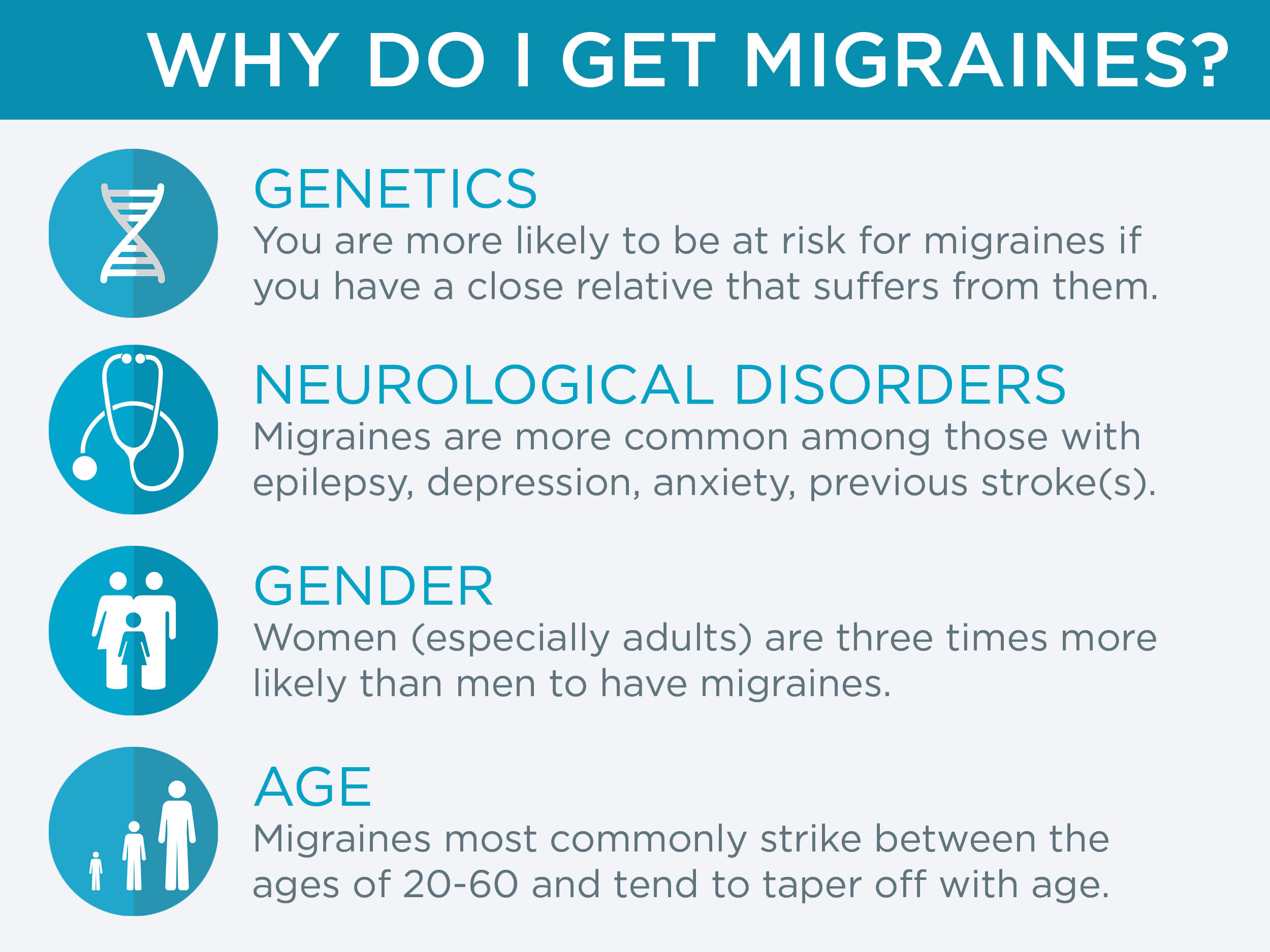
Unfortunately, there is no simple answer to this question. There are several factors that may contribute to getting migraines:
- Genetics – Experts believe gene mutations that affect certain areas of the brain may be the source of migraines. If you have a close relative with migraines, you are more likely to be at risk.
- Medical conditions – Migraines are also more common among those with epilepsy, depression, asthma, anxiety, stroke and some other neurological and hereditary disorders.
- Gender – Women are three times more likely to have migraines than men.
- Age – Migraines most often strike between the ages of 20 and 60. While the elderly still get migraines, they often decrease in severity and frequency with age, and sometimes they disappear entirely.
How can I treat a migraine?
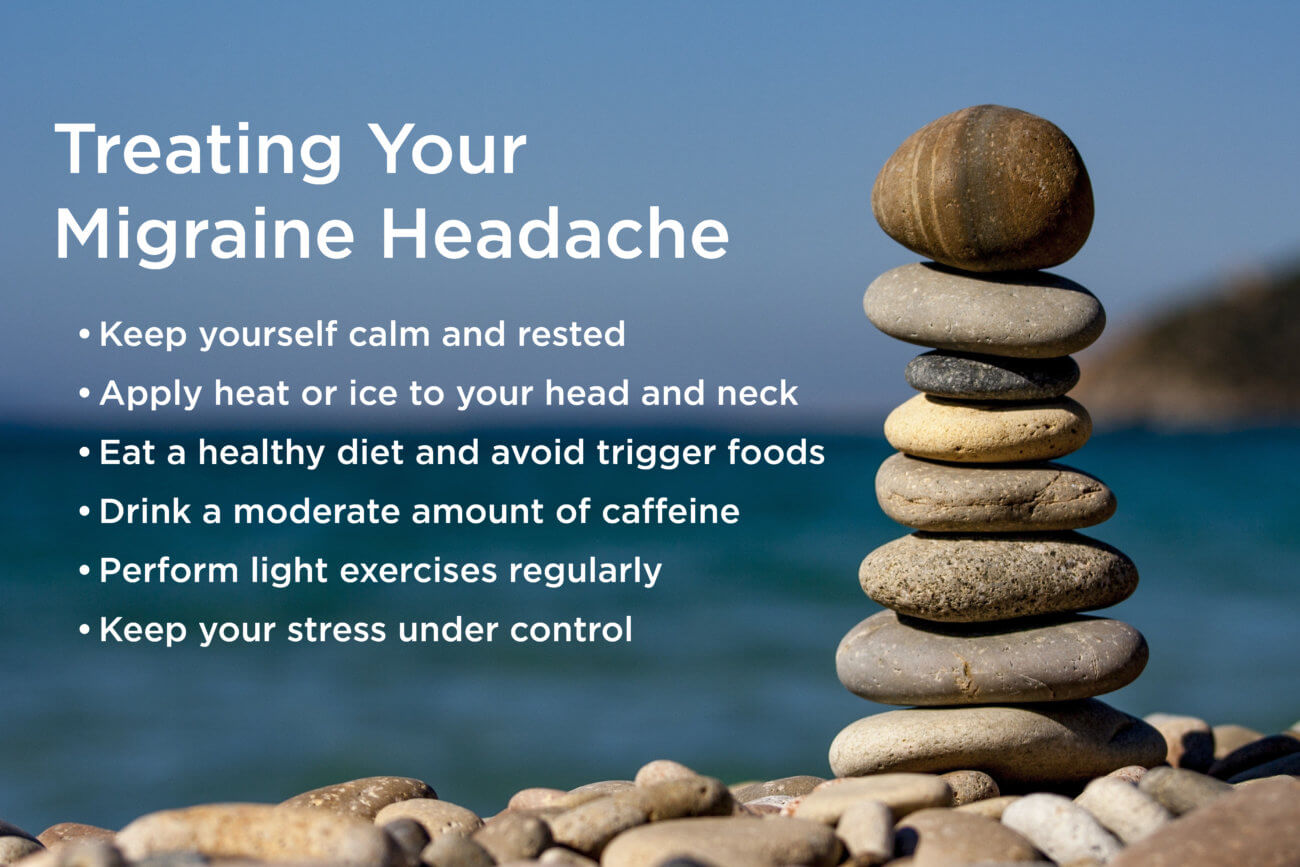
There is no permanent cure for migraines, but there are several tips and tricks you can use to help prevent them or at least manage the pain.
Calm down
Get to a dark, quiet room and try your best to relax for a while. Getting good sleep can help prevent migraines, so allow yourself to nod off if you can.
Change the temperature
Apply an ice pack or heat pad to your head and neck. Cold may numb the pain while heat will relax tense muscles.
Eat a healthy diet
Consistent, healthy eating habits can hold back migraines, so eat regularly and be sure to avoid foods that have triggered your headaches in the past.
Drink (some) caffeine
Though caffeine can be a migraine trigger, it can also help if you are already experiencing a migraine. Caffeine helps reduce inflammation and can also boost the effectiveness of common pain-relief medications. But keep it to just one or two cups a day. Caffeine can turn around and trigger another migraine if you have too much.
Exercise regularly
Staying active and maintaining a healthy weight can help with your migraine troubles. Light exercises like jogging or yoga are recommended, as they keep you active while not being overly strenuous, which can in fact trigger a headache.
Keep your stress under control
Keep it simple, don’t fill your schedule, have a positive attitude, and find time each day to unplug and clear your mind. Less stress can go a long way in keeping your migraines at bay.
If you are unable to adequately manage your migraines with at-home remedies, you may try taking over-the-counter pain medications to help manage migraine pain. You should always speak to your physician before starting medication for migraines, to determine the correct type and dosage.
You may also seek medical treatment for your migraines. Pain management clinics offer a variety of therapies that can help manage the pain caused by migraine headaches.
IMPORTANT: Any headache that is unusually severe or lasts more than a couple of days should be checked by a doctor. If you have a headache accompanied by paralysis, confusion, fever, or stiff neck you should seek emergency care.
Migraines are a bummer for sure, but there are ways to get relief. Educating yourself and adjusting certain parts of your lifestyle can make a huge difference!
FAQs
A migraine is a headache with intense throbbing pain that is usually worse on one side of the head. The pain is often severe enough to hamper daily activities and may last hours or even days if untreated. The pain can be so severe that it may cause additional unpleasant side effects that make you feel even more sick. More than one in 10 Americans (including one in six women) get migraines to some extent.
Regular headaches are painful and annoying, but are generally tolerable and usually don’t include additional symptoms. Most headaches are brief and go away on their own with rest, hydration, and some basic self-care. Regular headaches fall into three basic categories – cluster headaches, sinus headaches, and tension headaches. The pain from a migraine is usually significantly more severe than other headaches, to the point of being totally debilitating. The pain can be so bad that it can trigger many additional, equally discomforting symptoms.
The most consistent and prominent symptom of a migraine is an intense, throbbing pain that typically occurs on one side of the head near the temples, forehead, and eyes. Many people also experience nausea, vomiting, vision problems, sensitivity to light and sound, and tingling sensations. Symptoms can grow more severe with even mild exertion, such as climbing the stairs. Migraine pain can be utterly disabling, to the point that many people are forced to miss work or other daily activities.
There are several possible warning signs that signal a migraine may be coming, such as a change in mood, noticing unusual sensations, such as a funny smell or taste, fatigue and frequent yawning, and muscle tension. These warning signs are known as the “prodromal phase.” Approximately one in four people experience these warning signs, which can occur as early as 24 hours before the headache begins.
The exact cause of migraines is still not well understood, but the problem is thought to be neurological (related to the nervous system). It is believed that brain chemicals, blood vessels, and nerves within the brain are involved. While migraines can start all on their own, there are some common triggers that can set them off as well, including flashing lights, anxiety or stress, lack of food or sleep, hormonal changes, or eating certain foods such as processed meats and fermented foods.
It is not fully understood why certain people are more prone to migraines than others, but experts believe that certain factors can contribute, including genetics or the presence of certain medical conditions like epilepsy, depression, asthma, anxiety, and stroke. Women are three times more likely to suffer from migraines than men, and individuals between the ages of 20 and 60 are the most susceptible.
There is no permanent cure for migraines, but there are several easy things you can do to prevent them or at least manage the pain. You can relax in a dark room, apply cold or heat to your head, eat a nutritious diet free of trigger foods, drink a small amount of caffeine, exercise regularly, and keep your stress under control.
Treating migraines at Twin Cities Pain Clinic
If you or a friend or family member is suffering from ongoing migraine headaches, schedule an appointment at Twin Cities Pain Clinic. Our practitioners are specially trained to diagnose migraines and provide effective, clinical treatments, including:
Schedule online>>
Call: 952-841-2345
The contents of this article are intended for informational and educational purposes only and are not intended as a substitute for professional medical advice, diagnosis or treatment. Always consult with a physician or other qualified healthcare provider before engaging in any action or decision-making based on the content of this article. Never disregard or delay seeking professional medical advice or treatment because of the content of this article or any other content on the Twin Cities Pain Clinic website. Reliance on any information conveyed on the Twin Cities Pain Clinic website without direct consultation with a healthcare professional is solely at your own risk.
References
- Cleveland clinic. “Migraine Headaches: Symptoms, Causes, Treatment & Prevention.” Cleveland Clinic, 3 Mar. 2021, my.clevelandclinic.org/health/diseases/5005-migraine-headaches
- WebMD. “Migraine Headaches.” WebMD, WebMD, 27 Mar. 2002, www.webmd.com/migraines-headaches/migraines-headaches-migraines
- Mayo Clinic. “Migraine – Symptoms and Causes.” Mayo Clinic, 2019, www.mayoclinic.org/diseases-conditions/migraine-headache/symptoms-causes/syc-20360201
Author Bio


